
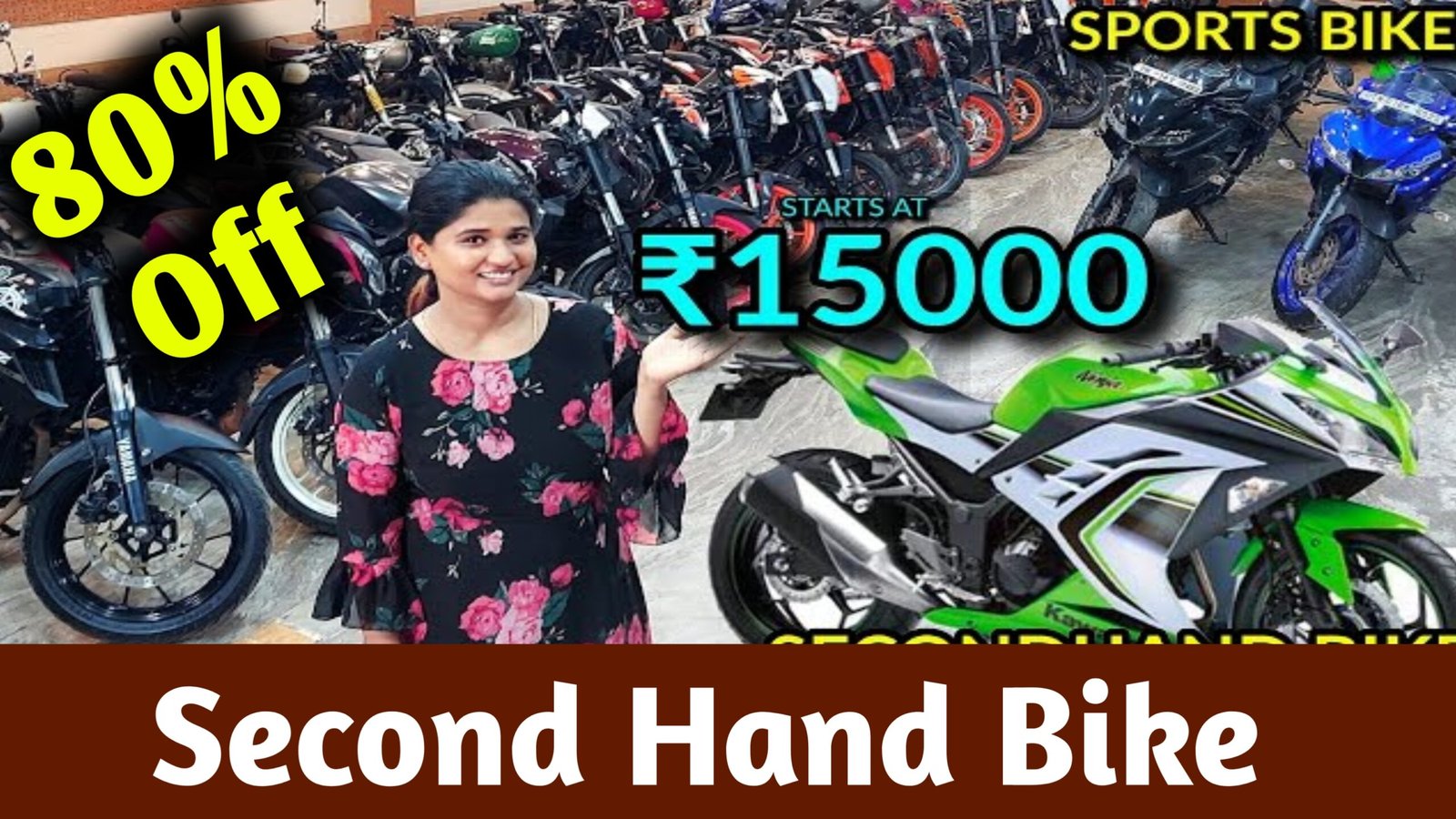
Smart Tips for Buying a Pre- owned Bike
Buying a second-hand bike is one of the most practical ways to get mobility at an affordable price. Whether you’re a college student, daily commuter, or weekend rider, a pre-owned bike allows you to own a reliable machine without breaking the bank. However, buying used bikes requires careful assessment to ensure you are getting good value, avoiding scams, and choosing a bike that meets your requirements.
This ultimate guide will walk you through every aspect of purchasing a second-hand bike — from identifying your needs to inspecting the vehicle, verifying documents, negotiating, and maintaining it post-purchase. With this guide, you’ll be equipped with expert advice, practical checklists, and safety precautions, making your buying journey smooth and informed.
Why Consider a Second-Hand Bike?
Before jumping into the process, it’s important to understand why purchasing a used bike makes sense and what you need to be cautious about.
Advantages of Buying Used
- Affordability
- New bikes depreciate quickly. A second-hand bike lets you save up to 50% or more of the original cost.
- Availability of Better Models
- You might afford a higher-end bike or better specifications that are out of your budget when buying new.
- Lower Insurance Premiums
- Insurance is often cheaper for used bikes because of their reduced market value.
- Depreciation Already Absorbed
- With most depreciation already accounted for, you won’t lose much value if you decide to resell later.
- Eco-Friendly Choice
- Buying second-hand contributes to a circular economy and reduces unnecessary manufacturing waste.
Risks Involved
- Mechanical Problems
- Some bikes may have hidden issues that surface after purchase.
- Ownership Disputes
- Bikes sold without proper documentation may be stolen or under loan.
- Overpricing
- Without proper research, you may pay more than the bike’s worth.
- Outdated Features
- Older models may lack newer safety or fuel-efficient technologies.
- Tampered Parts
- Engine numbers, mileage, or paintwork could be manipulated to hide flaws.
Understanding these risks upfront helps you take informed steps to mitigate them.
BUY NOW


Identifying Your Needs
The first step in buying a second-hand bike is knowing exactly why you need it. Consider the following:
Purpose
- Daily commuting – Look for mileage, comfort, and fuel efficiency.
- Weekend leisure rides – Focus on styling and performance.
- Off-road adventure – Durable frames, suspension, and tires matter.
- Learning to ride – Affordable, lightweight, and easy handling bikes are ideal.
Budget
- Decide the maximum amount you’re ready to spend, including registration, insurance, repairs, and maintenance.
Features to Prioritize
- Mileage
- Engine capacity
- Spare parts availability
- Fuel type (petrol, diesel, electric)
- Comfort and handling
- Safety features like ABS or disc brakes
Where to Look for a Second-Hand Bike
1. Online Marketplaces
- Websites like OLX, Quikr, and Facebook Marketplace offer listings from individuals and dealers.
- Filter by price, location, model year, and mileage.
- Always cross-check the seller’s profile and ask for additional photos or videos.
2. Dealerships
- Certified pre-owned bikes from dealers usually come with service records and warranty.
- These bikes may cost slightly more but are safer options.
3. Private Sellers
- Friends, neighbors, or local sellers can be trustworthy sources.
- Negotiation is easier, but you must ensure paperwork is complete.
4. Auctions
- Government auctions or insurance recoveries offer competitive prices.
- Exercise extra caution and always inspect the bike thoroughly.
How to Evaluate a Second-Hand Bike
A detailed inspection is critical. Even a minor defect could lead to costly repairs later.
1. Check the Exterior
- Paintwork: Uneven paint or mismatched panels could indicate prior accidents.
- Scratches and dents: Minor scratches are expected; large dents suggest damage.
- Frame: Examine for cracks or bends. A bent frame compromises safety.
- Rust and corrosion: Check under seats, joints, and rims.
2. Inspect the Engine
- Start the engine and let it idle. Listen for unusual sounds such as knocking, grinding, or sputtering.
- Check for black or blue smoke from the exhaust.
- Smell for burnt oil, which may indicate worn piston rings.
- Touch areas around the engine for leaks.
3. Tires and Suspension
- Inspect tread depth. Tires with shallow tread need replacement.
- Check for cracks or bulges.
- Test suspension by pushing down and releasing it; it should rebound smoothly.
4. Brakes
- Press brake levers and ensure firm response.
- Check disc and pad thickness.
- Look for signs of fluid leaks in hydraulic brakes.
5. Chain and Sprockets
- Inspect for tightness and lubrication.
- Excessive wear means it will need replacing soon.
6. Electricals
- Test lights, horn, indicators, and ignition switch.
- Check wiring harnesses for loose or exposed wires.
7. Odometer
- Observe the mileage. Extremely low or suspicious readings could be tampered.
Documents Checklist – Avoid Legal Problems
A bike is only as good as its papers. Ensure all documentation is valid and genuine.
Must-Have Documents
- Registration Certificate (RC)
- Shows the vehicle’s ownership details.
- Verify that chassis and engine numbers match the bike.
- Insurance Papers
- Confirm it’s active and comprehensive.
- Pollution Under Control (PUC) Certificate
- Mandatory for legal use.
- Service History
- A well-documented service history proves regular maintenance.
- Loan Clearance or NOC
- If applicable, ensure the bike is not under finance or loan.
- ID Proof of Seller
- Helps confirm that the seller is the rightful owner.
Test Ride – Why It’s Essential
A short ride of at least 10–15 minutes helps you assess performance:
- Does the bike accelerate smoothly?
- Are there strange vibrations at high speed?
- Is the braking response quick and safe?
- Does the bike lean properly while turning?
A test ride often reveals issues that inspection alone cannot detect.
Negotiating the Deal
Negotiation requires preparation and tact.
Effective Negotiation Tips
✔ Point out wear and tear
✔ Use market research as leverage
✔ Offer to pay in cash for immediate closure
✔ Avoid showing eagerness
✔ Ask for repairs before finalizing the price
Don’t rush the process. Walk away if the deal feels suspicious.
Safe Payment Practices
- Pay via bank transfer or demand draft instead of cash where possible.
- Avoid paying the full amount upfront.
- Draft a written sale agreement with all terms mentioned.
- Ensure the RC is transferred in your name before making final payments.
Transferring Ownership – Step-by-Step
Once you buy the bike, ownership must be legally transferred.
- Fill Form 29 (Notice of Transfer) and Form 30 (Application for Transfer of Ownership).
- Attach the original RC, insurance documents, and identity proofs.
- Submit to the nearest RTO.
- Pay the required fees.
- Get a new RC reflecting your name.
Ensure that this process is completed within the prescribed time frame to avoid penalties.
Post-Purchase Maintenance Guide
Immediate Actions
✔ Complete servicing – oil change, coolant check, tire alignment
✔ Check and tighten bolts and fasteners
✔ Clean thoroughly to remove dust and grime
✔ Replace worn-out parts immediately
Long-Term Maintenance
✔ Schedule periodic servicing
✔ Keep insurance and registration updated
✔ Use premium fuel where applicable
✔ Apply rust protection
✔ Avoid overloading the bike
Safety Gear to Invest In
- Helmet (ISI marked)
- Gloves
- Jacket with padding
- Knee and elbow guards
- Reflective gear for night riding
Financial Planning After Purchase
- Allocate a maintenance budget (typically 10–20% of the bike’s cost annually).
- Plan for fuel expenses and repairs.
- Consider insurance renewals and road tax schedules.
A second-hand bike may initially seem inexpensive but long-term planning ensures it remains a cost-effective asset.
Environmental and Social Impact
Buying used vehicles contributes to sustainability by reducing manufacturing and waste. It also supports local markets and helps build trust-based networks in communities.
Expert Advice – What Mechanics Recommend
- Avoid bikes that have had more than two owners.
- Always test ride on different road types.
- Check fuel efficiency after running for a few kilometers.
- Ask about recent repairs and upgrades.
- Verify if the bike has been exposed to flood or fire damage.
Common Myths
❌ “If the odometer is low, the bike is in excellent condition.”
✔ A bike with low mileage but poor maintenance can still fail.
❌ “Paintwork means the bike has been customized.”
✔ It could be covering up crash repairs.
❌ “Insurance is not necessary if the bike looks fine.”
✔ Insurance protects against accidents, theft, and legal issues.
Frequently Asked Questions (FAQs)
Q1: Can I buy a second-hand bike online without seeing it first?
A1: It’s not recommended. Always inspect the bike personally or have a trusted mechanic do it.
Q2: How do I spot a stolen bike?
A2: Check the RC thoroughly, verify engine and chassis numbers, and request proof of purchase.
Q3: How long should a second-hand bike last?
A3: With proper maintenance, many bikes last over 50,000–100,000 km.
Q4: Should I buy from a dealer or a private seller?
A4: Dealers offer warranty and paperwork but cost more. Private sellers are cheaper but riskier.
Q5: Is financing a second-hand bike a good option?
A5: It’s possible but should be avoided unless you trust the seller and confirm clear ownership.
Final Thoughts
Buying a second-hand bike is a smart and practical decision when approached carefully. With research, inspection, and awareness of legal procedures, you can avoid scams and mechanical issues while saving money.
Always remember:
- Take your time.
- Verify documents.
- Test ride thoroughly.
- Ask questions.
- Negotiate with confidence.
A used bike, when chosen wisely, can serve you for years, providing comfort, efficiency, and adventure without burning a hole in your pocket.
Ride safe, ride smart!